

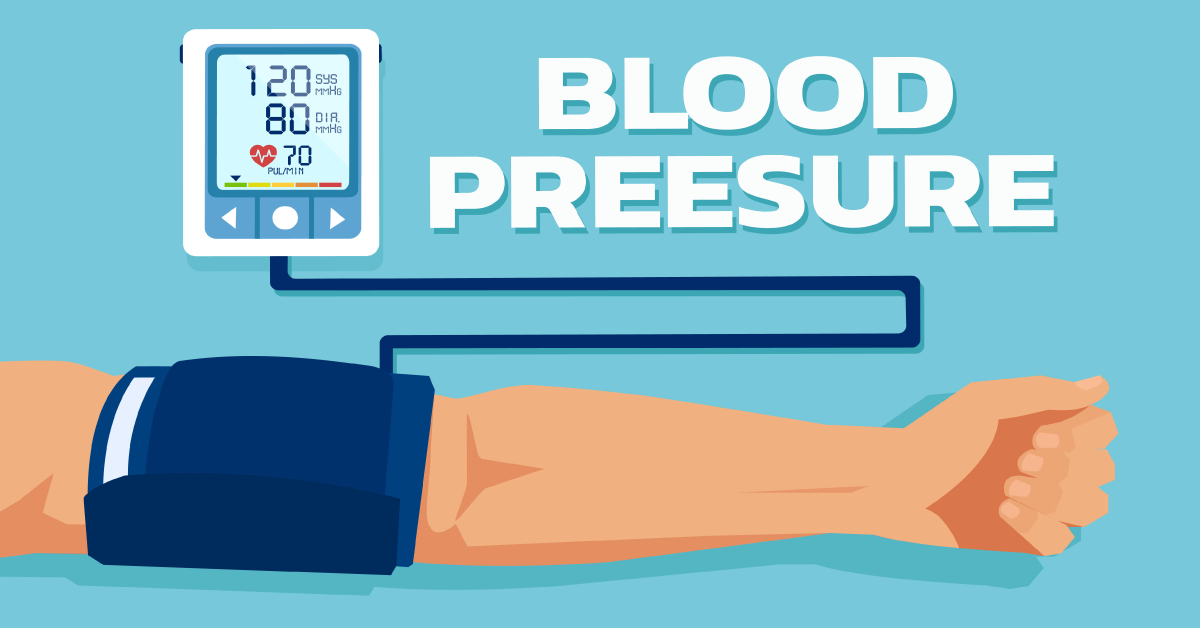
High blood pressure is a serious condition, but you can manage it with the right lifestyle changes. Chances are if you’ve been told by a doctor that you have high blood pressure or are at greater risk for it, you’ve also been warned about certain foods to stay away from, such as salty foods like canned soups, chips, and deli meats.
But what about some of the foods you should add to your diet? Getting the right nutrients and caring for your overall health can help you manage your levels and keep your health in good condition. To learn more, we asked a few dietitians to give us their recommendations for the best food for high blood pressure.
1. Fruits and Vegetables
Whether fresh, frozen, or canned, fresh fruits and vegetables are go-to foods for high blood pressure.
Fruits and vegetables are rich in water and fiber, they are filling with fewer calories and help you maintain a stable body weight, which is especially useful for high blood pressure. We all know that obesity increases the risk of high blood pressure significantly.
While all fruits and vegetables are good for your health, prioritize the fruits and vegetables that are highest in potassium. Consume plenty of fruits such as bananas, dried fruits such as grapes and apricots as well as vegetables such as spinach, mushrooms, broccoli, or even artichokes. All are good sources of potassium.
2. Fish
Whitefish can provide you with an excellent source of animal protein. It’s very low in fat, -like white meats – a very interesting alternative to other sources of animal protein such as red meat products.
Also remember to regularly consume fatty fish such as mackerel, sardines, herring, or salmon. Fatty fish contain Omega-3, so-called “essential” fatty acids that our bodies don’t synthesize and which could help maintain normal blood pressure in adults.
Prefer to consume fresh fish or their frozen version. Smoked fish is not recommended for you due to its high salt content.
3. Rapeseed, Walnut, and Olive Oils
Excessive fat consumption ultimately increases the risk of weight gain or cardiovascular disease. However, some fats are essential to our body and even beneficial.
In the case of hypertension, the keyword is therefore to reduce the intake of fats of animal origin, rich in cholesterol and saturated fatty acids –consider oils from plant sources instead.
Vegetable oils, especially rapeseed and nuts rich in Omega-3, should be your priority. Consume these oils so as not to alter the omega-3 they contain, which is sensitive to heat.
4. Beetroot Juice
Beetroots occupy a special place in the kingdom of vegetables. Not only does it reduce blood pressure and improve athletic performance, but it is also extremely rich in essential vitamins and minerals, especially iron.
Since we’re talking about blood pressure here, beets are an excellent source of potassium and nitrates, both of which help control blood pressure. They are chemically transformed into nitrite, which is responsible for managing pressure. This is because the cells lining the blood vessels can convert nitrite into nitric oxide (NO), which is a powerful blood dilator – hence the pressure-lowering effect.
Consuming just 100g of beetroot juice could substantially reduce blood pressure in just 24 hours. And lower blood pressure, as you may know, helps reduce the risk of stroke and cardiovascular disease.
5. Pomegranates
Pomegranates have extraordinary antioxidant and anti-inflammatory properties; their regulatory action on blood pressure has been known for years.
This effectiveness in reducing blood pressure comes from the beetroot’s ability to act as an inhibitor of the angiotensin-converting enzyme (ACE inhibitor). This inhibitory action promotes relaxation and opening of the vessels, which in turn reduces pressure and allows more blood and oxygen to be delivered to the heart.
6. Oatmeal
Oatmeal is one of the few partially processed foods that lower blood pressure. Getting a good amount of dietary fiber and whole grains is essential for maintaining normal blood pressure, and oatmeal is a tasty source of both.
Consuming oatmeal can lower systolic and diastolic blood pressure. Plus, fiber can help you maintain a healthy weight and prevent obesity, a risk factor for high blood pressure.
7. Yogurt
If you don’t like skimmed milk, yogurt could be a great alternative to meet your daily needs and help you fight high blood pressure. According to the American Heart Association, women who consume five or more servings of yogurt per week would see their risk of high blood pressure drop by 20%.
Dairy products also contain calcium, an essential element for maintaining healthy blood pressure because this mineral helps blood vessels constrict and relax when needed.
Conclusion
Lowering blood pressure to normal values is fundamental to reducing the risk of escalated hypertension. A change in lifestyle and in particular the adoption of an appropriate diet can reduce blood pressure and in some cases avoid the use of hypotensive drugs. Incorporating the above carefully selected foods will help you manage your condition on a low budget.


